
Evidence, reasoning chain and taxpayer history attached to every flagged anomaly.
MicroApp · Detection to enforcement
The Command Surface Between Detection and Action.
CCU, the Command and Control Unit, is a MicroApp built on AlaraOS for the Federal Board of Revenue's tax-evasion detection, case management and operational oversight. When an anomaly is flagged, it enters CCU as a structured case with the evidence and the reasoning chain already attached, and goes to the right enforcement team.
What it means
From Anomaly to Enforcement, Without the Gap.
Detection systems produce signals: flagged transactions, discrepancies and suspicious filing patterns. Without an operational layer those signals pile up and wait for manual triage. CCU closes that gap. Cases are assigned by type, severity and officer availability, and every action is logged in the same governance framework as the detection layer, so the audit trail is unbroken from signal to outcome.
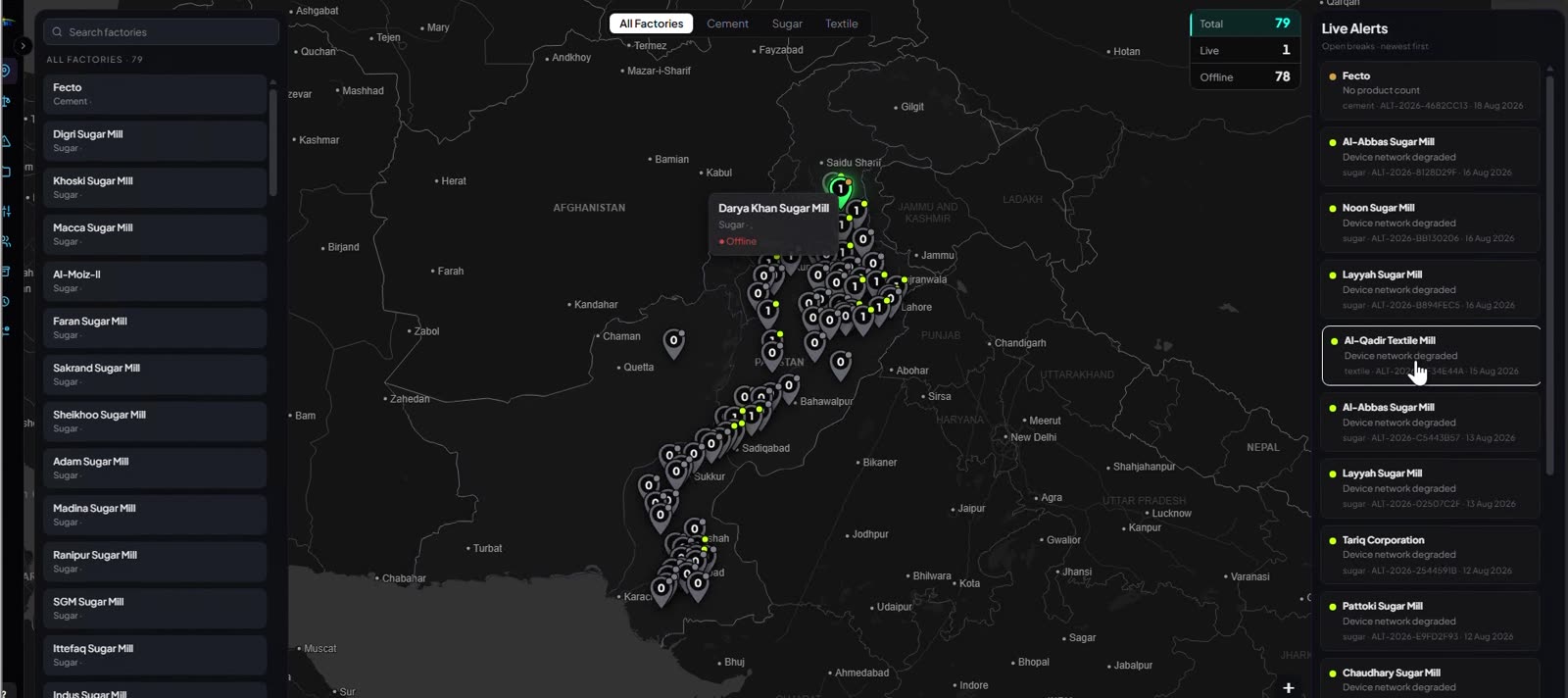
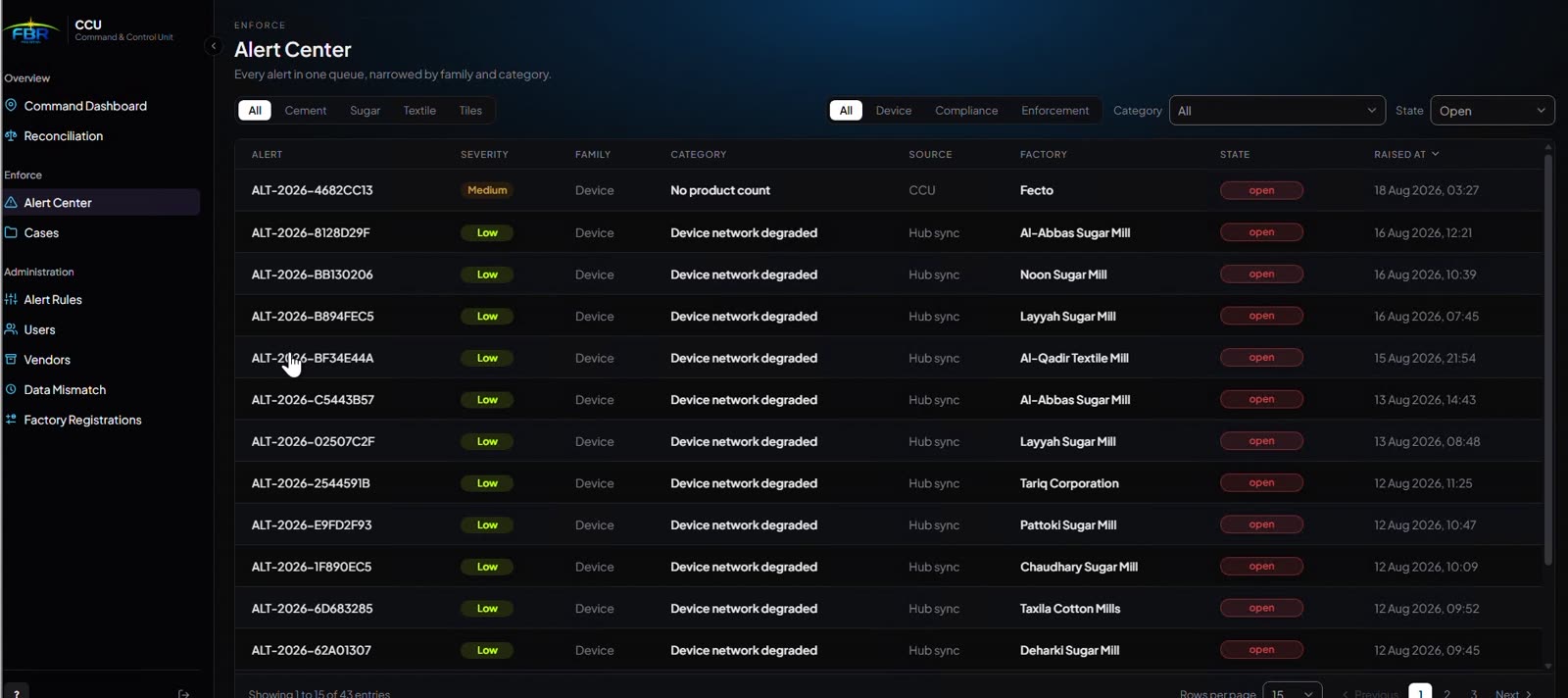
Cases go to the right team by type, severity and officer availability.
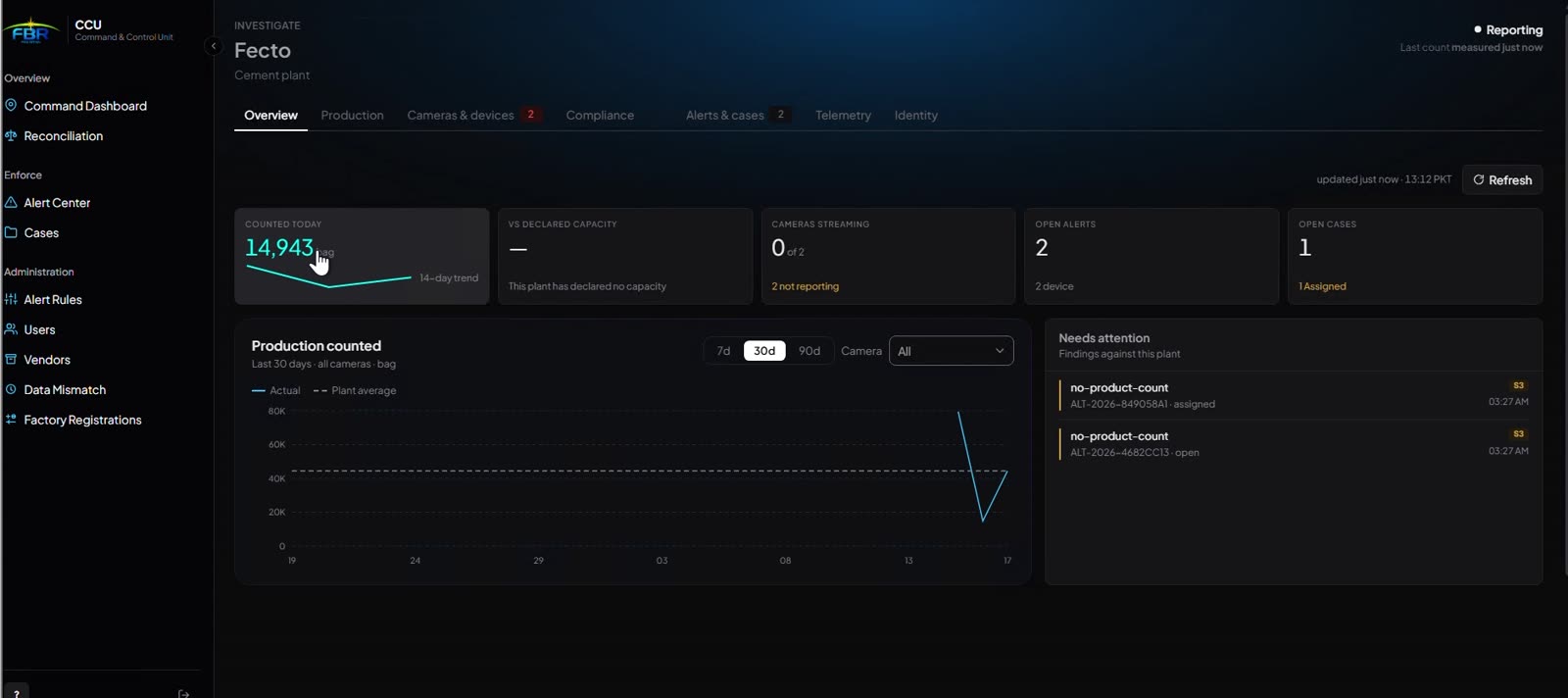
Open cases, escalations and outcomes in real time, not a weekly report.
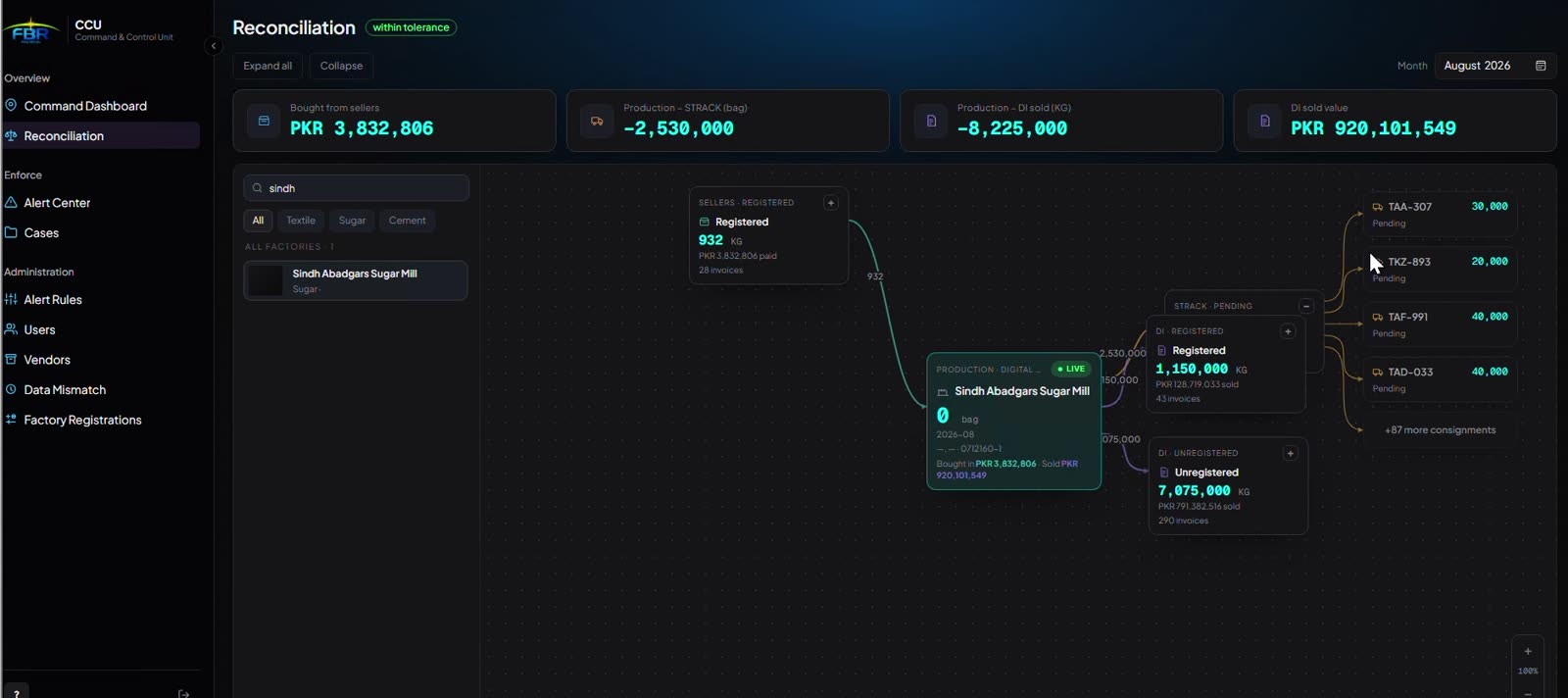
Every action logged, from initial signal to enforcement outcome.
Who we built it for
The Federal Board of Revenue.
CCU is the command surface through which FBR's enforcement teams act on what the detection agents find. It gives tax enforcement officers the visibility, case management tools and escalation controls to move from anomaly detection to enforcement action in a traceable, auditable sequence, and gives FBR leadership a live view of the whole enforcement pipeline.
Enforcement officersSupervisorsFBR leadershipCementSugarTextileTiles
Case study · Built on Alara Code
Under One Month. Under Two Thousand Dollars.
< 1 monthFrom brief to production
< $2,000Total build cost
100%Actions logged, signal to outcome
CCU was built as a MicroApp on AlaraOS in under one month at a cost of under two thousand dollars, delivering purpose-built command and control infrastructure for tax-evasion operations.
A conventional enterprise software cycle, or traditional case-management procurement, would have cost far more and taken far longer. Because CCU runs on the platform, it inherited identity, access control and audit from the first deployment.
